Smart Factory Platform
Chunxiao Technology · 2018 – 2024
Role: Full-stack Tech Lead (Android + Backend + Hardware)
Cover
1 / 38Garment factories needed real-time production tracking across multiple sites. 6-person team. I owned all Android clients (phone/tablet/shop-floor), wrote ~1/4 of backend (3 Spring Cloud modules), built hardware communication programs (scales via serial-to-WebSocket bridge, conveyors, washers), and helped with Vue.js frontend when needed. 10+ factory sites, 30%+ efficiency gain, hundreds of daily workers.
10+
Factory Sites
30%+
Efficiency Gain
6
Team Size
6 years
Duration
100s
Daily Workers
Provincial
Award
Problem
Garment factories lack real-time production visibility — electronic scales need manual reading, production data entry is error-prone, and cross-site coordination is slow.
Solution
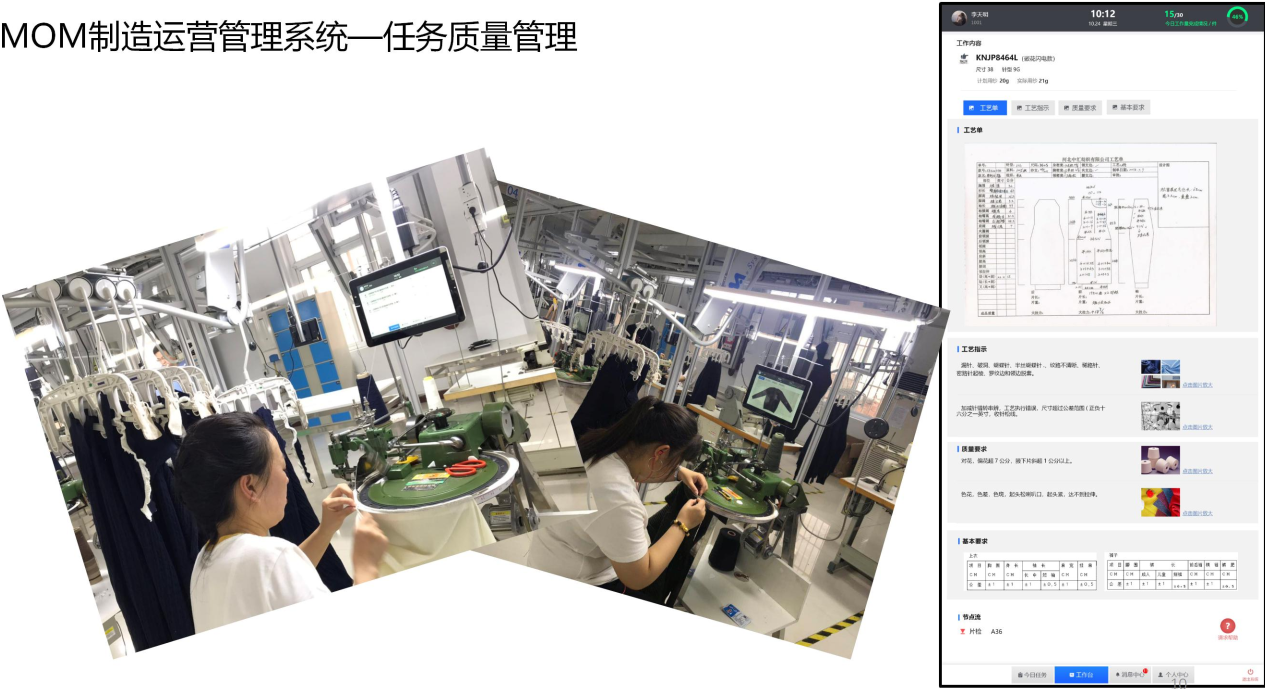
Full IoT platform: local serial-port service for auto weight capture via WebSocket, RFID-based production tracking, Spring Cloud microservices (Production/Inventory/Device), Android shop-floor terminals, Vue.js BI dashboards.
Architecture
Android app + Vue.js web → Nginx → Spring Cloud (MyBatis) → MySQL/Redis/MongoDB → IoT hardware (RFID, scales, conveyors via RS232/RS485)
Key Highlights
- ▸Scaled from single-site pilot to 10+ factory deployments across multiple regions
- ▸Event-driven service coordination using ActiveMQ and Kafka to decouple production workflows
- ▸Replaced manual releases with Jenkins + GitLab CI/CD pipeline
- ▸Serial-to-WebSocket bridge for browser weight auto-fill, eliminating read-and-retype steps
- ▸Field-led prioritization with deep shop-floor engagement under high ambiguity
- ▸Led and mentored 6-person cross-functional engineering team
Tech Stack
What I Learned
Event-driven architecture critical for factory coordination; field-led prioritization beats big design upfront; staged cloud migration balances delivery speed and performance.